
Winter Construction: How Denver's Climate Influences Building Practices
MA
Understanding Denver's Unique Climate
Denver, often known as the Mile High City, experiences a unique climate characterized by its high altitude and semi-arid conditions. These factors significantly influence how construction is approached, particularly during the winter months. Builders and architects must adapt their practices to ensure stability, safety, and longevity of structures.
Winter in Denver can be unpredictable, with sudden temperature drops and snowstorms. Understanding these weather patterns is crucial for planning and executing construction projects efficiently. The goal is to minimize delays and ensure the safety of workers and the public.
Challenges of Winter Construction
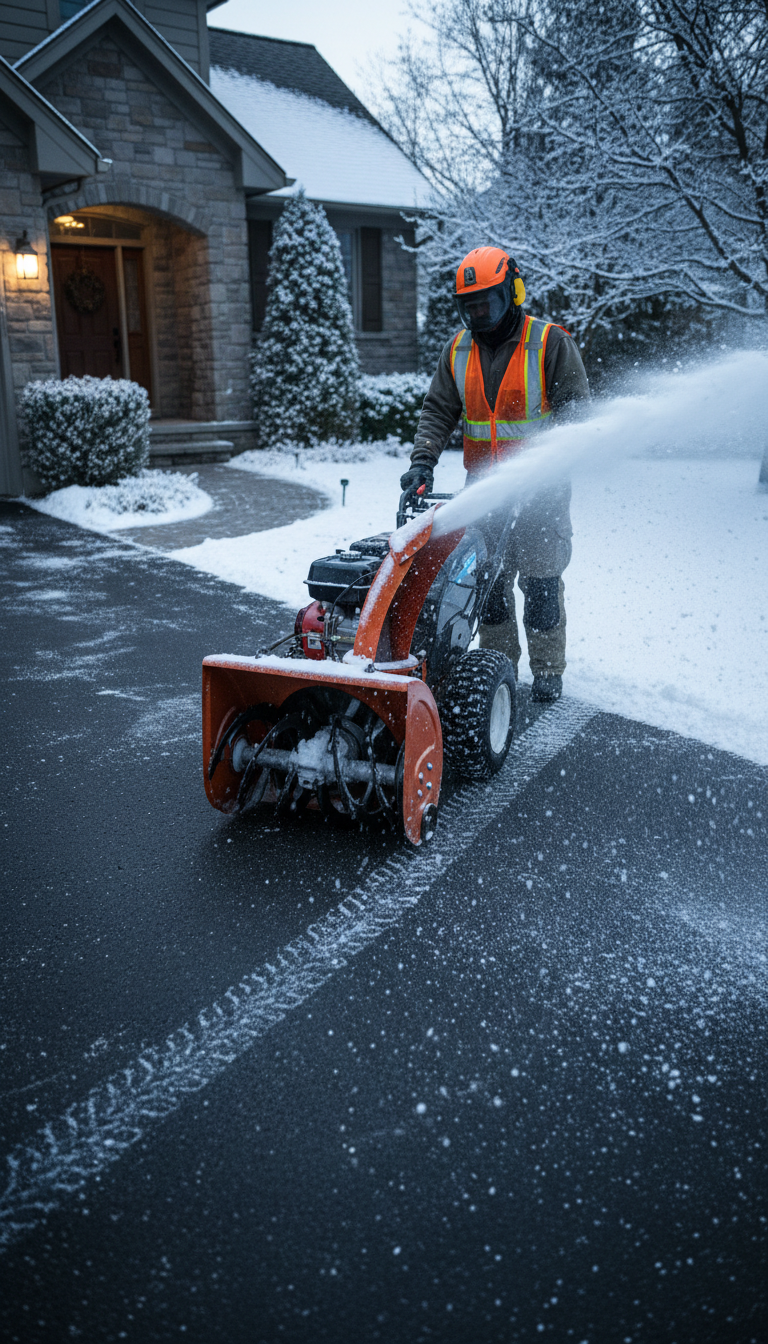
Cold weather poses several challenges for construction, including the risk of frozen ground, which can complicate excavation and foundation work. Additionally, snow and ice accumulation can create hazardous conditions for workers and equipment.
Concrete work is particularly affected by cold temperatures. Concrete must be maintained at specific temperatures to cure properly, requiring special techniques and materials to insulate and protect it from freezing.
Strategies for Cold Weather Construction
Construction companies in Denver employ various strategies to combat the challenges of winter construction. These include:
- Heated enclosures: Creating temporary heated spaces allows for tasks like concrete curing and masonry work to continue uninterrupted by cold temperatures.
- Weather-resistant materials: Utilizing materials designed to withstand harsh weather conditions can prevent damage and ensure durability.
- Flexible scheduling: Adjusting work hours and project timelines to accommodate weather changes helps in minimizing downtime.
Innovative Techniques and Technologies
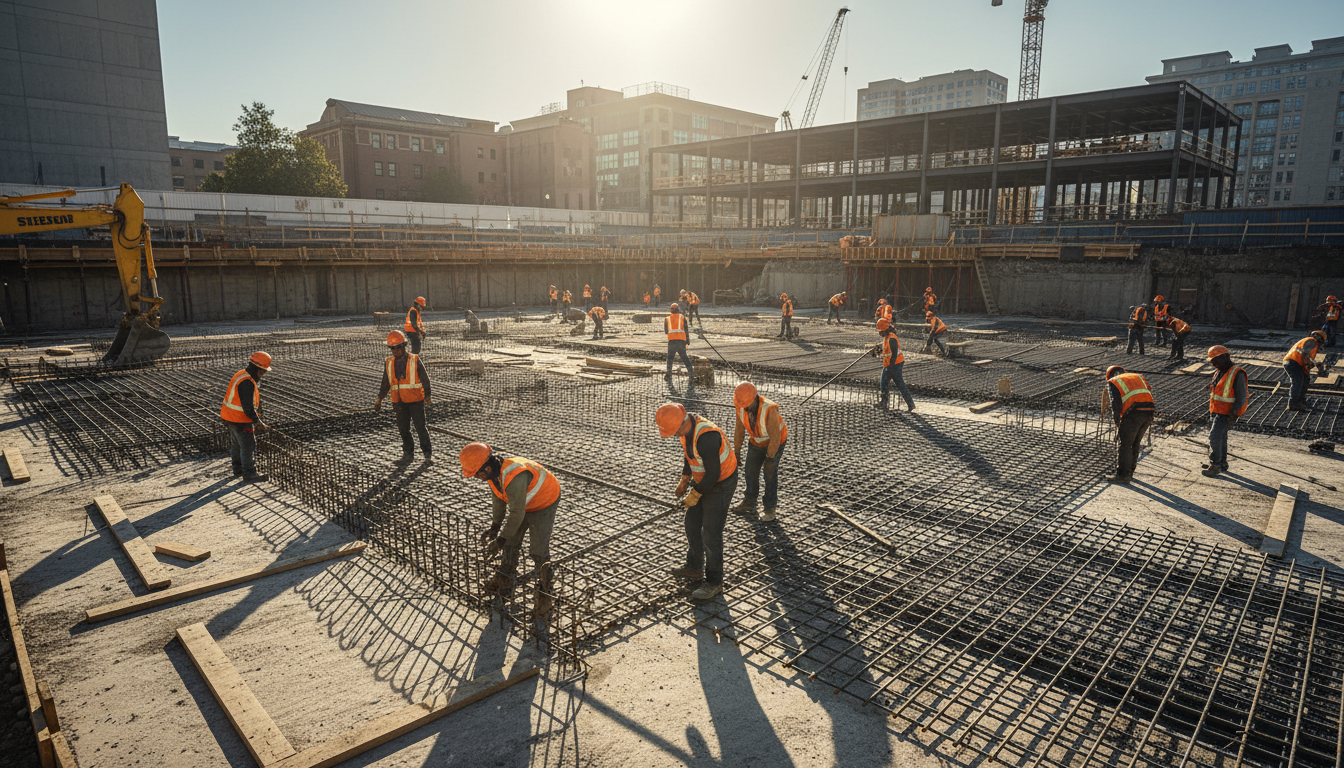
Innovation plays a crucial role in overcoming winter construction challenges. Technological advancements such as GPS-guided equipment and drones aid in efficient site management and monitoring, even during adverse weather conditions.
Furthermore, building information modeling (BIM) systems have become invaluable, allowing teams to anticipate potential issues and plan accordingly. This proactive approach helps reduce setbacks and ensures projects remain on track.
Environmental Considerations
In addition to weather-related challenges, Denver's construction practices are influenced by environmental considerations. Preserving the natural landscape and adhering to sustainability standards are essential aspects of modern building practices.
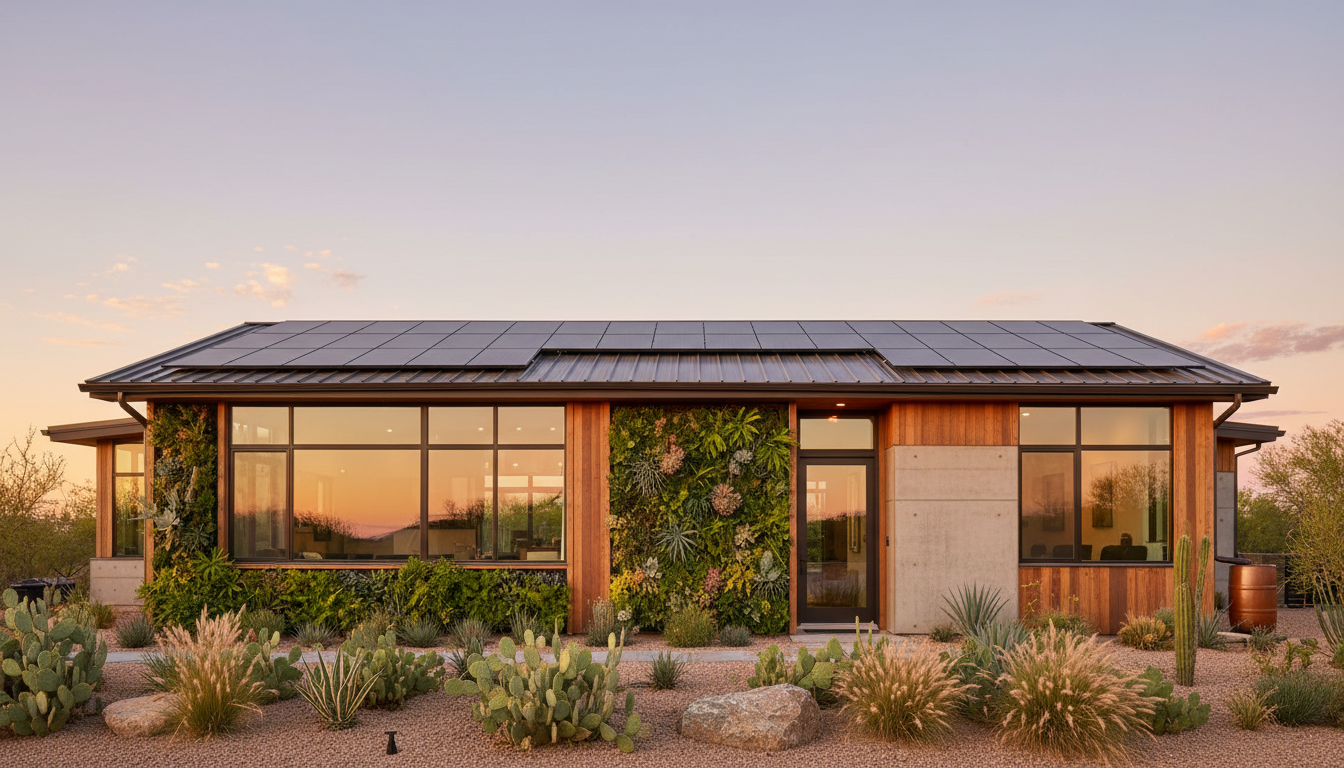
Construction companies often incorporate eco-friendly materials and energy-efficient designs to minimize environmental impact. These practices not only benefit the ecosystem but also meet growing consumer demand for sustainable construction.
Conclusion
Winter construction in Denver is a complex endeavor that requires careful planning and adaptation to the city's unique climate. By employing innovative techniques and prioritizing sustainability, builders can successfully navigate these challenges and deliver quality structures that stand the test of time.