Navigating Construction Regulations in Colorado: What You Need to Know
MA
Understanding Colorado's Construction Regulations
Colorado's construction industry is thriving, but navigating the state's regulations can be challenging. Whether you're a seasoned contractor or a newcomer, understanding these rules is crucial for successful project completion. This guide provides an overview of what you need to know to stay compliant and efficient.
Getting Started: Permits and Licenses
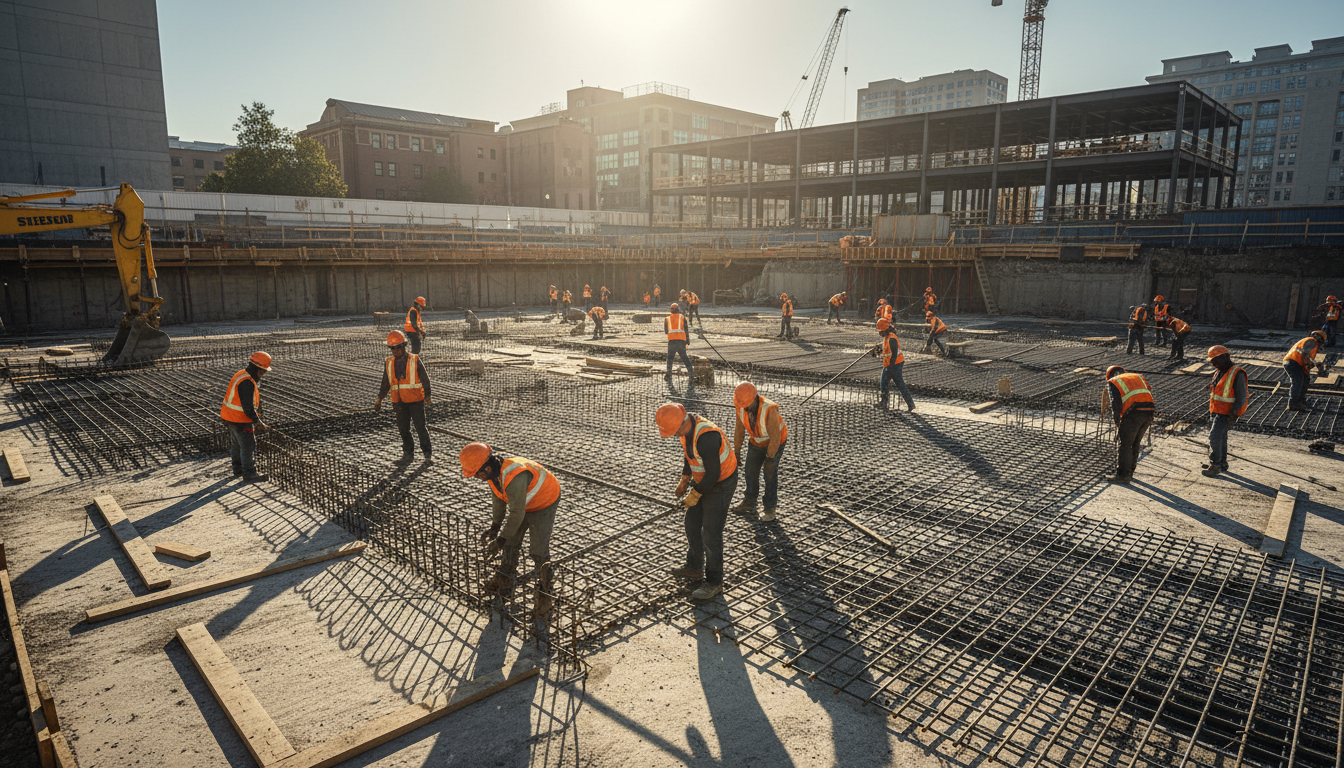
Before breaking ground, securing the necessary permits and licenses is essential. In Colorado, construction projects require a variety of permits depending on the scope and location. These may include building permits, electrical permits, and plumbing permits. Contacting your local city or county office will help you determine the specific requirements for your project.
Additionally, ensure that all contractors and subcontractors hold valid licenses. Licensing ensures that everyone involved in the project meets the state's safety and quality standards.
Environmental Regulations
Colorado places a strong emphasis on environmental protection. Construction projects must comply with regulations related to air quality, water usage, and waste disposal. This includes managing stormwater runoff and controlling dust emissions. Failing to adhere to these regulations can result in significant fines and project delays.

Building Codes and Safety Standards
Adhering to building codes is critical in ensuring the safety and integrity of any construction project. Colorado follows the International Building Code (IBC), with specific amendments to address local conditions. Familiarize yourself with these codes to avoid costly mistakes and ensure the safety of both workers and future occupants.
Safety standards are equally important. Implementing comprehensive safety plans and conducting regular inspections can prevent accidents and create a safer work environment.
Working with Local Authorities
Collaboration with local authorities can streamline the construction process. Early engagement with zoning boards and planning commissions can help identify potential issues and facilitate smoother project approval. Establishing open communication channels can make a significant difference in navigating bureaucratic challenges.
Staying Updated with Regulatory Changes
Construction regulations are subject to change, and staying informed is crucial. Subscribing to industry newsletters and attending local construction association meetings can provide valuable updates. Engaging with professional organizations can also offer insights into regulatory trends and best practices.
By staying proactive and informed, you can ensure that your construction projects in Colorado are both compliant and successful. Understanding and adhering to these regulations not only protects your business but also contributes to the state's economic and environmental well-being.